Good Ludonarrative Dissonance in The Last of Us, Pokémon & Inscryption (Written 2022)
Yes I'm doing ludonarrative discourse in the 2020s

Warning: Spoilers for The Last of Us and for Inscryption
So lately I've been doing some deeper academic reading into "Ludonarrative Dissonance." While the term has become somewhat of a buzzword used in reviews by games media in the years since Clint Hocking's original 2007 critique of Bioshock, I was curious to see how the discussion around this idea had evolved over the last 15 years. Through this I found a paper by Frederic Seraphine, a PhD candidate in games design at the University of Tokyo, titled Ludonarrative Dissonance: Is Storytelling About Reaching Harmony? In which Seraphine discusses the way the industry moved towards abolishing pre-built narrative structures, in favour of systems that allow the player to create their own stories. However, Seraphine goes on to champion the narrative power well used Ludonarrative Dissonance can have.
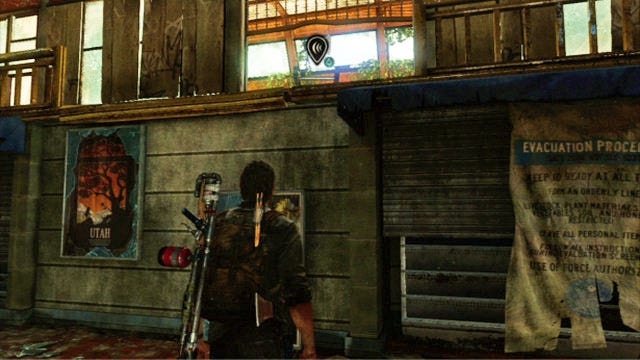
The biggest example he uses is from a key yet small moment right at the start of the third act of Naughty Dog's 2013 smash hit 'The Last of Us'. Following the traumatic ending to the previous section of the game, Ellie and Joel are continuing on their hunt for the fireflies and are leaving a highway and entering into an abandoned bus depot. The player soon reaches an area where Joel alone can not progress and like has happened many times before will need to ask Ellie for help. Unlike all the previous times though, Ellie is unresponsive and the action the player wanted to perform is denied. This moment of dissonance between the action the player expected to perform and the needs of the narrative in that moment, briefly draws a lot of attention to the mechanic of asking Ellie for help. However, this dissonance is quickly refocused to beautifully portray the poor emotional state of Ellie following the events of the previous chapter.
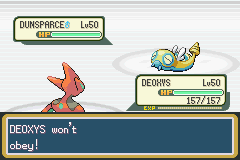
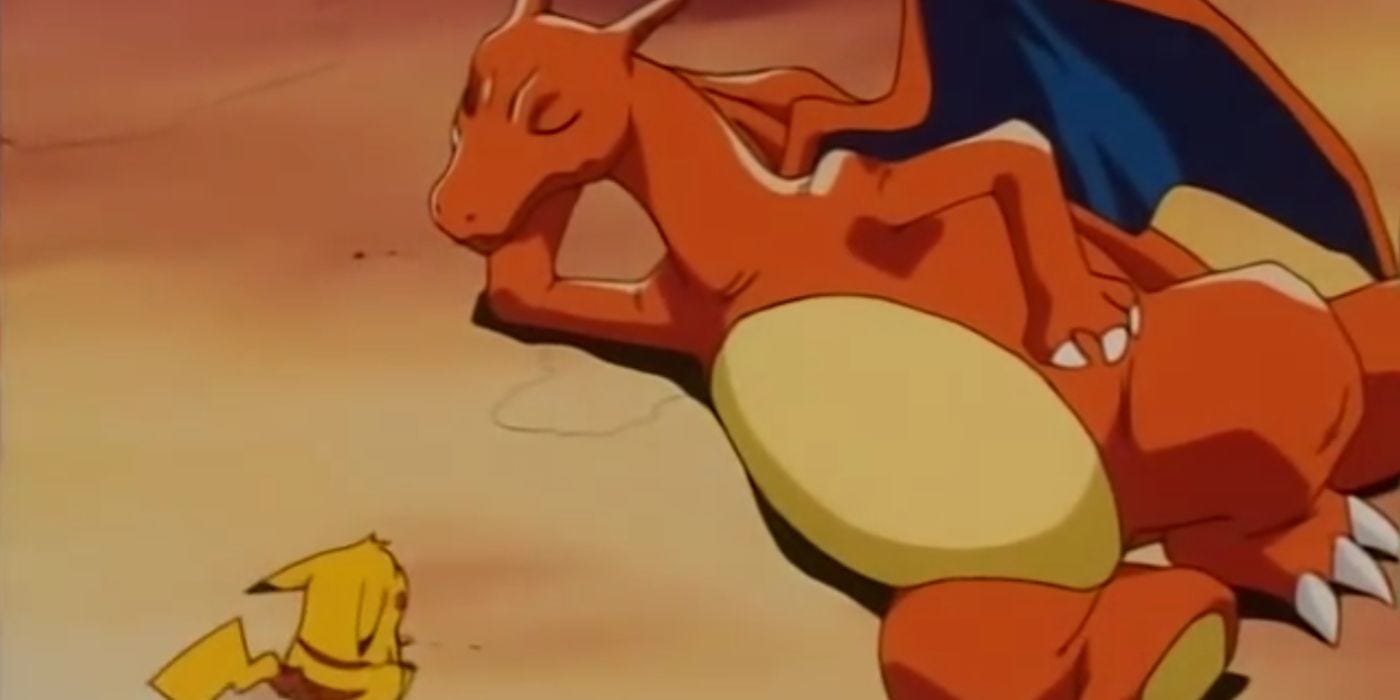
This example naturally got me thinking about other times games benefitted narratively from a similar dissonant effect. One particularly fun example is from the Pokémon games. In a series that places such a strong emphasis on trading Pokémon with friends in order to "catch 'em all", Game Freak needed a way to balance the very real possibility of people being traded vastly over-levelled Pokémon early into the game and making it trivially easy. As such they implemented a system that made Pokémon not follow your orders if they were too strong for the point in the game you were at. Which, similarly to The Last of Us, undermined the players expectations of how the games mechanics work. And while the effectiveness of it as a balancing mechanic can certainly be debated, where it does shine is how effective this was at portraying that the Pokémon didn't respect you as a trainer and building an antagonistic feeling between the player and their traded Pokémon. In fact, it was so effective that when Pokémon got adapted to an anime, the antagonistic relationship between Ash and his Charizard that felt he was above him became one of its most memorable relationship dynamics in the show.
More recently, Daniel Mullins' 2021 indie hit 'Inscryption' has been a great example of taking this idea to the extreme. Inscryption goes out of its way to make sure you as the player are aware you're playing a video game for narrative effect. One of my favourite examples is in the game's first act, that gives great insight into the antagonist Leshy's mindset as a game master. Certain strategies hilariously trivialise the difficulty. Most notably, you can use monsters with the instakill ability to beat the final boss in a single hit. While, the hilarity of the moment is clearly dissonant it does bring into frame the fact the character cares much more about the atmosphere of the game he's creating than the balance, and, without getting too deep into spoilers of a game you really should experience for yourself, this is very well contrasted with a different character later on.